Independent editorial publication

Editions · September 6, 2026

The Good in the World

A clearer view of human progress.

Pets

30 lions and tigers are finally leaving a troubled Argentine zoo

Thirty big cats have begun journeys from the former Luján Zoo to accredited sanctuaries in South Africa and Colorado. More than 20 animals still need permanent homes.

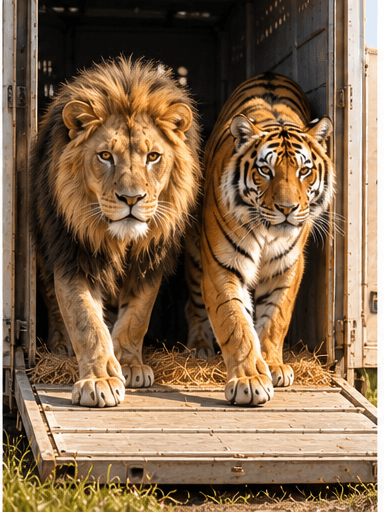
Editorial illustration of a lion and tiger stepping out of a transport enclosure.
Editorial illustration. This image does not depict the actual event.

Thirty lions and tigers have begun leaving the former Luján Zoo in Argentina for accredited sanctuaries with more suitable space and care.

Fifteen are going to Lionsrock in South Africa and fifteen to The Wild Animal Sanctuary in Colorado. More than 20 big cats remain at the former zoo while long-term homes are sought.

For years, lions and tigers remained in cramped concrete enclosures at a zoo that had already been shut down.

Argentine authorities closed the Luján Zoo in 2020 over safety and animal-welfare concerns. The facility had become known for allowing visitors close physical contact with big cats.

The international animal-welfare organization Four Paws later took responsibility for improving care and arranging permanent placements for the animals that remained.

In August 2026, thirty of the lions and tigers began the complex process of leaving Argentina.

Nine tigers and six lions were assigned to Lionsrock, a sanctuary in South Africa. Eight tigers and seven lions were bound for The Wild Animal Sanctuary in Colorado.

Moving animals this large requires veterinary examinations, specialized transport crates, extensive route planning and careful management of stress. Handlers trained many animals to enter their crates voluntarily, while some required sedation.

The transfer changes the daily reality for these thirty animals: from a shuttered facility associated with serious welfare failures to sanctuaries designed for rescued big cats.

It does not finish the work. More than twenty lions and tigers remained at Luján while Four Paws continued seeking long-term homes.

The honest milestone is therefore substantial but incomplete—thirty individual animals are moving into better circumstances after years of uncertainty.

What to Keep in Perspective

This relocation does not resolve the situation for every animal at the former zoo.

More than 20 lions and tigers remain, and transport itself is demanding for animals with varied health histories.

The progress is real for the thirty animals now moving, while the remaining placements and their long-term adjustment still need to be followed.

The reporting for this story draws on the following scientific, institutional and independent sources.

Development date
August 14, 2026
First published
September 6, 2026
Updated
No updates
Last reviewed
September 6, 2026